
Get a FREE digital
copy of Renovate Handbook!
Just sign up to our newsletter and we'll send it your way.
Get Renovate HandbookRenovating for Multi-Generational Living
When extended family shares one roof, a standard home layout often isn't built for it. This guide covers 8 practical renovation ideas for multi-generational living in New Zealand - from balancing shared and private spaces and adding a separate entrance to designing flexible rooms and planning for noise, accessibility, and outdoor space.
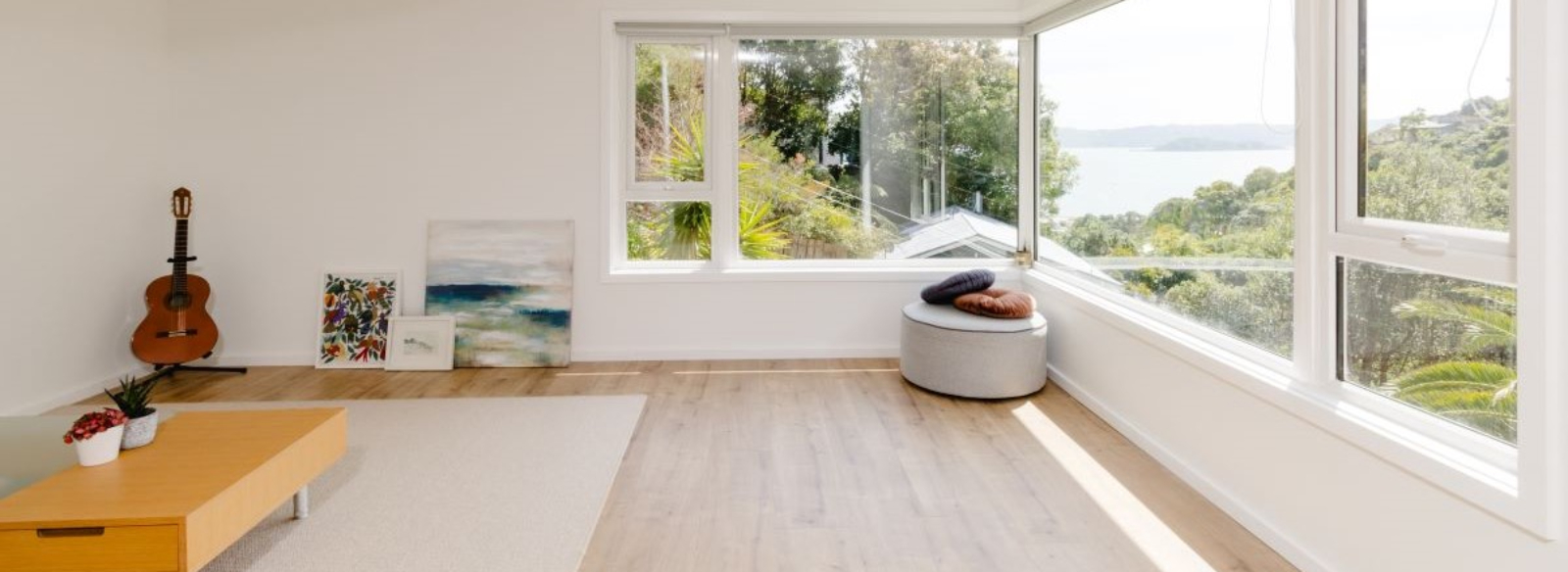
If you're planning to live with extended family, your home needs to do more than just provide space. It needs to work for everyone.
Multi-generational living is becoming more common in New Zealand, whether it's parents moving in, adult children staying longer, or families choosing to live together for support and convenience. While this setup has many benefits, it also brings new challenges when it comes to privacy, layout, and daily comfort.
A standard home layout often isn't designed for multiple generations living under one roof. Without the right changes, it can feel crowded or difficult to manage. The good news is that with the right renovation approach, you can create a home that balances shared living with personal space.
Here are 8 practical renovation ideas for multi-generational living.
8 practical renovation ideas for multi-generational living
1. Balance shared and private spaces
One of the biggest challenges in multi-generational living is finding the right balance between spending time together and having personal space. Shared areas like the kitchen, dining room, and living room should be large and comfortable, as they're used by everyone. At the same time, each person should have access to a private space where they can relax without disturbance. If this balance isn't maintained, the home can start to feel crowded. Designing both shared and private areas carefully helps everyone live comfortably.
2. Create separate living zones
A practical way to improve comfort is by dividing the home into different living zones, such as a second living room, a separate lounge for different age groups, or a self-contained area or granny flat. A well-planned house extension is often the simplest way to add a self-contained zone without losing your existing living space. These zones allow different generations to have their own space while still being part of the same home, reducing conflict and making everyday living smoother.
3. Add a separate entrance
A separate entrance can make a big difference in how the home feels. It allows family members to come and go independently without disturbing others, especially useful for adult children or elderly parents who want a bit more privacy. Even though everyone lives in the same house, a separate entrance can give the feeling of having your own space.
4. Consider an extra kitchen or kitchenette
In a shared home, the kitchen can become a busy and crowded space. Adding a second kitchen or a small kitchenette helps manage this, allowing different family members to cook and eat at their own time, which is particularly helpful when schedules differ. Even a simple kitchenette can improve convenience and reduce pressure on shared areas.
5. Design flexible rooms
Family needs change over time, so it's important to create spaces that can be used in different ways. A room used as an office today could become a bedroom later; a playroom for children could be turned into a living area or study space in the future. Flexible rooms help your home adapt to changes without needing another renovation.
6. Focus on accessibility and safety
When living with older family members, accessibility becomes very important. Simple changes can make the home safer and easier to use, such as step-free entrances, wider doorways, and walk-in showers. Our article on renovating your home for ageing in place covers these changes in more depth. We've also completed full home renovations focused specifically on accessibility, including this project in Mount Wellington, Auckland, where wider doorways, a wet-room bathroom, and custom-height benches were built around a family member's accessibility needs without sacrificing style.
7. Plan for noise and privacy
Different generations often have different routines and lifestyles. Some may prefer quiet environments, while others have a more active schedule. To manage this, place bedrooms away from noisy areas, add soundproofing where needed, and create buffer zones between spaces. These changes help reduce noise and improve comfort for everyone.
8. Make good use of outdoor spaces
Outdoor areas can play an important role in multi-generational homes. A well-designed deck or patio can act as an extra living space where the family can spend time together, while smaller outdoor areas can provide quiet time or personal use. This helps reduce crowding inside the home and adds more usable space, making the home feel more open and flexible.
Frequently Asked Questions
What renovations work best for multi-generational living in New Zealand?
The most effective renovations include creating separate living zones or a self-contained granny flat, adding a second kitchen or kitchenette, improving accessibility with step-free entrances and wider doorways, and designing flexible rooms that can change use over time. Balancing shared spaces with private retreats is the key principle behind all of these changes.
Do I need council consent to add a separate living zone or granny flat in NZ?
In most cases, yes. Adding a self-contained living area, kitchenette, or separate entrance typically requires building consent in New Zealand, and may also involve resource consent depending on your property and council district plan. A renovation consultant can manage this process for you as part of a house extension or addition project.
How can I make a home safer for elderly parents moving in?
Focus on accessibility upgrades such as step-free entrances, wider doorways, walk-in showers, and grab rails where needed. Positioning their bedroom away from noisy living areas and ensuring good lighting throughout the home also significantly improves both safety and comfort for older family members.
Is it cheaper to renovate for multi-generational living than to build a separate home?
Generally, yes. Renovating an existing home, or adding a self-contained extension or granny flat, is usually more cost-effective than purchasing a second property or building a stand-alone dwelling, while still giving each generation a sense of independence and privacy.
Create a home that works for every generation
Renovating for multi-generational living is not just about adding more space. It's about designing a home that supports different lifestyles under one roof. When planned properly, it creates a comfortable environment where everyone can live together without feeling restricted.
The key is to make thoughtful decisions that improve both shared living and personal comfort, while also preparing your home for future changes. If you need expert guidance, the Refresh Renovations team in New Zealand can help you plan and manage your renovation, ensuring your home is designed to suit every member of your family.
Ready to renovate for multi-generational living? Talk to a Refresh Renovations consultant today →
Related reading:
→ Renovating to Improve Home Layout and Flow
→ Renovating for Better Indoor-Outdoor Flow
→ How Thoughtful Renovations Improve Everyday Living
→ Renovating Your Home for Ageing in Place
Related services & projects:
→ House Extensions
→ Project: A Full Home Renovation Aimed at Stylish Accessibility, Mount Wellington
→ Project: Modern Accessible Bathroom Renovation
Read Next

%20copy.jpg)
All Refresh Renovations franchises are independently owned and operated.
Processing...

Talk to a renovation consultant today
If you would like to find out how Refresh Renovations can support you with a high quality, efficient home renovation, get in touch today. Your local Refresh consultant will be happy to meet with you for a free, no obligations consultation.