
Get a FREE digital
copy of Renovate Handbook!
Just sign up to our newsletter and we'll send it your way.
Get Renovate HandbookHow to Plan a Renovation Around Your Lifestyle
The best renovations start with how you live, not how you want your home to look. Here are 8 practical ways to plan a renovation around your lifestyle.
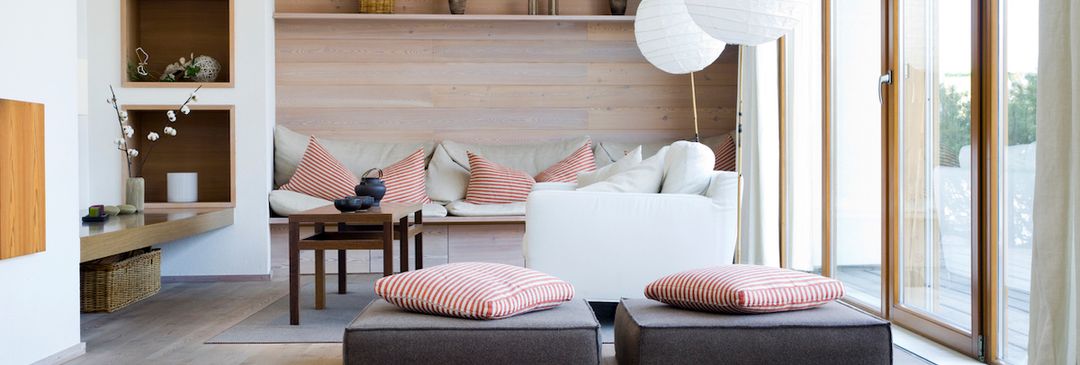
When planning a home renovation, most people start by thinking about design, how they want their home to look. But the real question should be: how do you want your home to work for your daily life? Every household is different. Your routines, habits, and priorities all play a big role in how your space should be designed. A layout or feature that works perfectly for someone else may not suit your lifestyle at all. That's why the best renovations are not just about style, they're about creating a home that supports the way you live every day.
Let's explore how to plan a renovation around your lifestyle, so your home feels more practical, comfortable, and truly tailored to you.
8 Practical Ways to Plan a Renovation Around Your Lifestyle
A lifestyle-focused renovation helps you create a space that feels more comfortable, practical, and easy to live in.
The best way to do this is to start with your daily habits and build your renovation around them. Here are some simple and detailed ways to approach it.
1. Understand Your Daily Routine First
Before you plan anything, take a step back and look at how you use your home.
Think about:
- Where do you spend most of your time
- Which areas feel crowded or difficult to use
- What small problems you deal with every day
For example, you might notice:
- The kitchen feels too small when cooking
- The living area gets cluttered easily
- There's not enough space to work or relax
These everyday frustrations are the best starting point for your renovation.
2. Set Clear Goals for Your Renovation
Once you understand your needs, define what you want to achieve.
Your goals might include:
- Creating more space
- Improving layout and movement
- Adding better storage
- Making the home more comfortable
Having clear goals helps you stay focused and avoid making unnecessary changes.
3. Focus on Function Before Design
It's easy to get carried away with colours, materials, and finishes. But if your home doesn't function well, design alone won't fix it.
Focus on:
- How easily you can move through spaces
- Whether rooms are easy to use
- If daily tasks feel smooth and convenient
For example, a well-placed kitchen layout can save time and effort, and a better room connection can improve how you use the space.
4. Give Each Space a Clear Purpose
Every room or area in your home should have a clear use. Instead of having spaces that feel unclear or underused, plan them properly: a kitchen for cooking and socialising, a living area for relaxing, a workspace for focus, a dining area for family time. In smaller homes, you can also create multi-use spaces that serve multiple purposes.
5. Improve Flow and Movement
Flow is about how easily you can move around your home. Common issues include narrow walkways, poorly placed doors, and furniture blocking movement. To improve flow: open up pathways, remove unnecessary barriers, arrange spaces in a logical way. Good flow makes your home feel more open, even if the size stays the same.
6. Plan Storage Properly
Lack of storage is one of the main reasons homes feel cluttered. Without enough storage, rooms become messy, spaces feel smaller, and daily life becomes stressful. Plan storage from the beginning: built-in cupboards and shelves, hidden storage in furniture, smart use of unused spaces.
7. Think About Your Future Needs
Your lifestyle today may change over time. A good renovation should also consider what you might need in the future. Think about family growth, work-from-home needs, and changes in routine. Planning helps you avoid needing another renovation too soon.
8. Plan Your Budget and Timeline Carefully
A renovation needs proper planning to avoid stress and unexpected costs. Make sure you set a realistic budget, keep some extra funds for surprises, and plan your timeline clearly. Starting without a clear plan can lead to delays and overspending. So, once you understand how your lifestyle shapes your space, the next step is to bring those ideas together in a way that actually works in real life.
Frequently Asked Questions
How do I start planning a renovation around my lifestyle?Start by observing how you actually use your home for a week or two: where you spend time, what frustrates you daily, and which rooms feel underused. These everyday patterns should shape your brief before you think about finishes or style.
What's the difference between planning for lifestyle vs. planning for resale?A lifestyle renovation prioritises how you personally live day to day, while a resale-focused renovation prioritises broad buyer appeal. The good news is that thoughtful, function-first renovations (better flow, storage, natural light) tend to add value either way.
How much does a lifestyle-focused renovation typically cost in NZ?Costs vary widely depending on scope, from a single room refresh to a full reconfiguration. A Renovation Consultant can give you a realistic estimate based on your specific goals and property.
Can I renovate for my lifestyle now and add resale value later?Yes. Many of the changes that improve daily living, better layout, storage, and light, are also the upgrades buyers respond to later, so the two goals usually overlap more than homeowners expect.
How long does it take to plan a lifestyle renovation before construction starts?Planning typically takes a few weeks to a couple of months, covering the initial brief, concept design, and costing stages, before any construction begins.
Create a Home That Fits Your Life
Planning a renovation around your lifestyle helps you create a home that is not just beautiful, but truly functional for your everyday needs. When your layout, storage, and spaces are designed with purpose, everything feels easier and more comfortable. The key is to make thoughtful decisions from the beginning, so your renovation solves the right problems and adds real value to your daily living.
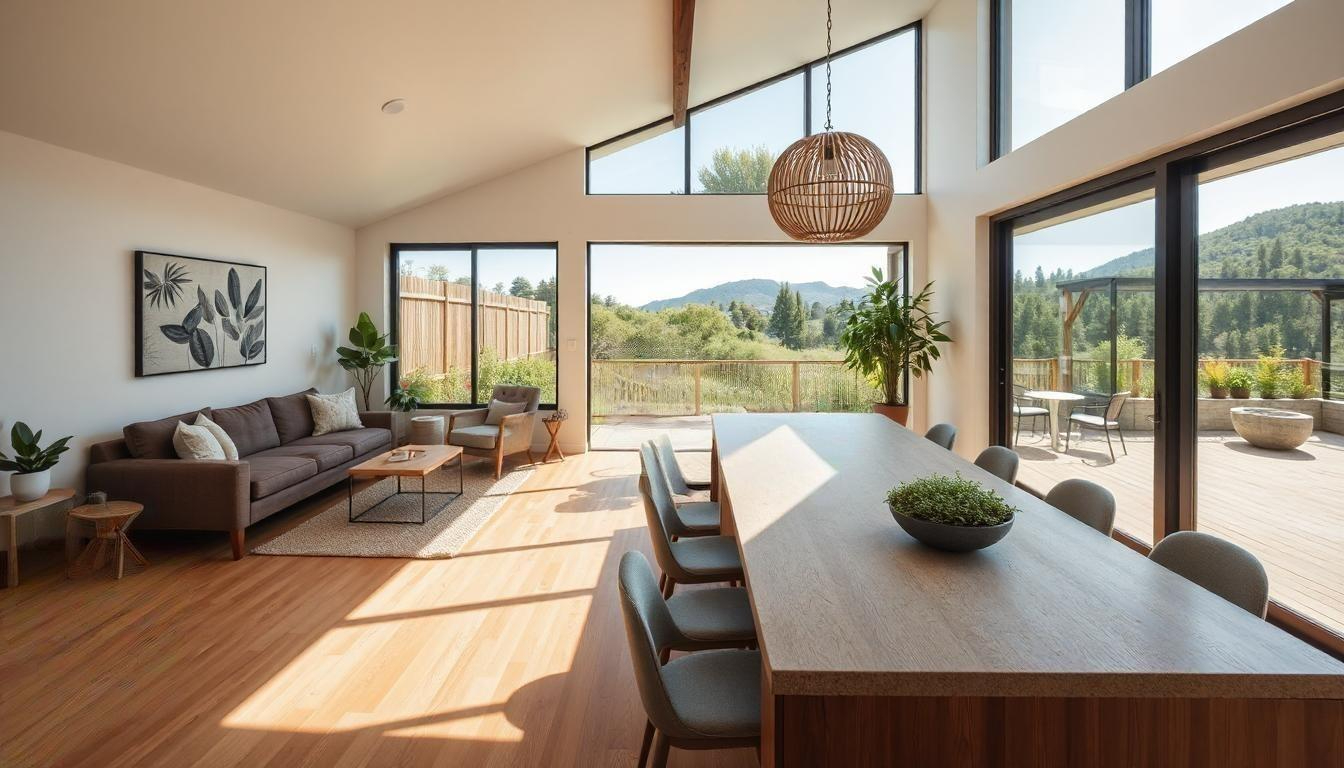
If you're looking for expert guidance, the Refresh Renovations team NZ can help you plan and manage your renovation with a clear, structured approach tailored to your lifestyle. This Wellington mid-century home transformation shows how a lifestyle-first brief translated into an open-plan layout built around how the family actually lives.
A well-planned renovation isn't just about changing your home. It's about improving how you live in it every day.
Read Next

All Refresh Renovations franchises are independently owned and operated.
Processing...

Talk to a renovation consultant today
If you would like to find out how Refresh Renovations can support you with a high quality, efficient home renovation, get in touch today. Your local Refresh consultant will be happy to meet with you for a free, no obligations consultation.