
Get a FREE digital
copy of Renovate Handbook!
Just sign up to our newsletter and we'll send it your way.
Get Renovate HandbookThe Role of Concept Design in Successful Renovations
Construction is what you see. Concept design is what decides whether it goes well. Here's why this early stage shapes your whole renovation.
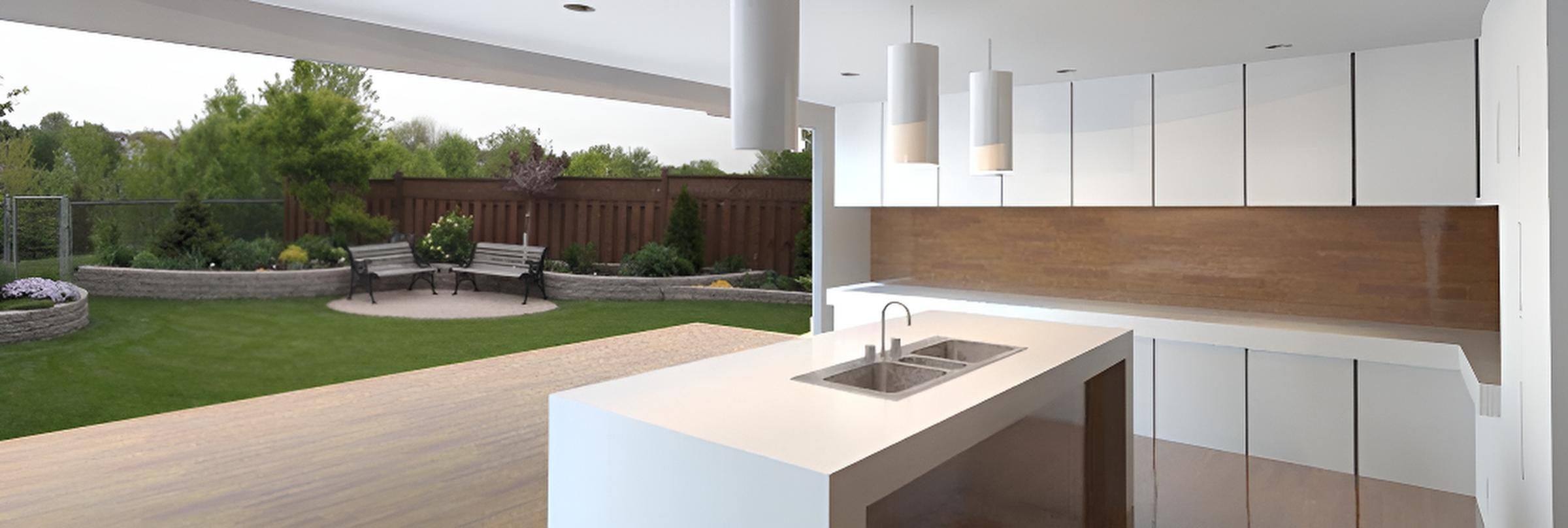
Are you planning a renovation but unsure where to start? Do you want to avoid costly changes and unexpected problems during construction? If so, concept design is one of the most important stages of the renovation process. Before builders begin work and materials are selected, concept design helps turn ideas into a clear plan. It allows homeowners to explore layouts, understand possibilities, identify challenges, and make informed decisions before construction starts. Taking the time to plan properly at the beginning can help save time, money, and stress later in the project.
Let's explore the role of concept design in successful renovations and why early planning is often the foundation for better renovation outcomes.
The Role of Concept Design in Successful Renovations
Many homeowners want to start construction as soon as they decide to renovate. However, some of the most important work happens before any building begins. A good concept design can help save time, reduce stress, avoid costly mistakes, and create a better final result.
1. It Turns Your Ideas Into a Clear Plan
Most people start a renovation with a list of ideas. You may want a bigger kitchen, more storage, better indoor-outdoor flow, an extra bedroom, or more natural light. The challenge is working out how all those ideas fit together. Concept design helps organise these ideas into a practical plan. It gives the renovation team proper drawings, layouts, material direction, and a shared vision. It makes the project easier to price, easier to manage, and easier to build.
2. It Helps Find Problems Early
Making changes during the planning stage is much easier than making changes during construction. Concept design helps identify potential issues before money is spent on building work. This could include space limitations, awkward layouts, structural challenges, access problems, or budget concerns. Finding these issues early gives you time to adjust the design and avoid expensive surprises later.
3. It Helps You Make Better Decisions
Many renovation problems happen because important decisions are rushed. Concept design gives you time to explore different options and compare ideas before committing to one solution. For example, you might compare different room layouts, kitchen designs, extension options, storage solutions, or outdoor living ideas. It helps you make decisions with more confidence because you have had time to think through the possibilities.
4. It Creates a More Functional Home
A successful renovation is not only about appearance. Your home should also work better for your everyday lifestyle. During the concept design stage, designers think about how people move through the home, where storage is needed, how rooms connect, how natural light enters the space, and how the family uses each area. These considerations help create a home that feels practical as well as attractive.
5. It Helps Keep the Budget Realistic
One of the biggest renovation mistakes is designing something that exceeds the available budget. Concept design helps connect your renovation goals with your budget from the beginning. It allows you to understand what may be achievable, where money should be prioritised, which ideas may need adjustment, and how project costs may be affected. It can help prevent disappointment and reduce the likelihood of major budget changes later.
6. It Improves Communication
A renovation often involves several people, including homeowners, designers, builders, consultants, and suppliers. Without a clear plan, misunderstandings can happen. Concept drawings give everyone something visual to work from. They help explain ideas more clearly and ensure everyone understands the same vision for the project. Better communication often leads to a smoother renovation process.
7. It Helps with Council Approvals
Many renovations in New Zealand require council approvals or building consent. Concept design creates the foundation for the drawings and documents that may be needed later. When the project has a clear direction from the beginning, it is usually easier to move through the consent and approval stages.
8. It Allows You to Explore Different Possibilities
One of the biggest advantages of concept design is flexibility. At this stage, ideas can still be changed without major cost implications. You can explore different layouts, extension ideas, room locations, design styles, and material options. This gives you the freedom to find the best solution before construction starts.
So, while construction is what people see at the end of a renovation, concept design is often what determines how successful the project will be from the beginning.
Frequently Asked Questions
What's the difference between concept design and working drawings? Concept design explores what's possible and tests feasibility against your budget and site, while working drawings are the detailed, buildable documents used for council consent, pricing, and construction. Refresh NZ's process moves through both stages in that order, so decisions are locked in before construction pricing is finalised.
How long does concept design take for a renovation? It varies with project size and how many changes you request, but this stage typically takes a few weeks. It's worth the time, since changes made here cost far less than changes made once building work has started.
Do I need concept design for a small renovation? Even small projects benefit. A kitchen or bathroom renovation still involves layout, plumbing, and storage decisions that are much cheaper to adjust on paper than mid-build.
Can I make changes after concept design is approved? Some flexibility remains into working drawings, but major changes become more expensive once detailed drawings and consent documents are underway. That's why the concept stage is where big-picture decisions should be finalised.
Does concept design affect how long council consent takes? Yes, indirectly. A clear, well-resolved concept gives the working drawings a stronger foundation, which generally means fewer queries and revisions during the council review.
Start with a Strong Plan
A good renovation starts with good planning. Taking the time to explore ideas, anticipate potential problems, and establish a clear direction early can save time, reduce stress, and lead to better results.
The Refresh Renovations team works with homeowners across New Zealand to guide projects from the concept design stage right through to completion, using a structured 5-step process that moves from initial consultation through concept design, working drawings, fixed-price costing, and the build.
By combining design expertise, renovation planning, and project management, we can help turn ideas into practical and achievable renovation plans. Get in touch for a free consultation with your local Renovation Consultant.
Related Articles and Projects
Read Next



All Refresh Renovations franchises are independently owned and operated.
Processing...

Talk to a renovation consultant today
If you would like to find out how Refresh Renovations can support you with a high quality, efficient home renovation, get in touch today. Your local Refresh consultant will be happy to meet with you for a free, no obligations consultation.