
Get a FREE digital
copy of Renovate Handbook!
Just sign up to our newsletter and we'll send it your way.
Get Renovate HandbookVilla & Bungalow Renovation Cost Guide 2026: What Auckland Homeowners Are Actually Spending
Wondering what a bathroom renovation costs in Auckland in 2026? Refresh Renovations' Saleem Bhikoo breaks down what you can expect to spend across every tier, from entry-level refreshes to full top-end builds.
%20copy.jpg)
There's a reason Aucklanders keep falling in love with villas and bungalows. The street appeal, the craftsmanship, the sense of history give these homes a character that's difficult to replicate in a new build. Saleem Bhikoo from Refresh Renovations® Auckland Central has guided dozens of character home owners through the renovation process, and he talks through what these projects really involve, what they cost, and why they're worth it.
Saleem, before we get to numbers - how is renovating a villa or bungalow different from renovating a standard home?
The potential, honestly. These homes have bones that new builds simply don't - the proportions, the ceiling heights, the original timber detailing. When you renovate one well, the result is something genuinely special. You're not just improving a house; you're bringing a piece of Auckland's history back to life.
The practical difference is that you're working with a building that's 80 to 120 years old, so the preparation work is more thorough than on a contemporary home. Nothing is standardised, and you need a clear picture of what you're working with before you set a scope and a budget. But that's true of any complex project - the planning is what makes it run well.
What does that preparation involve?
We look carefully at four areas before we scope any villa or bungalow project.
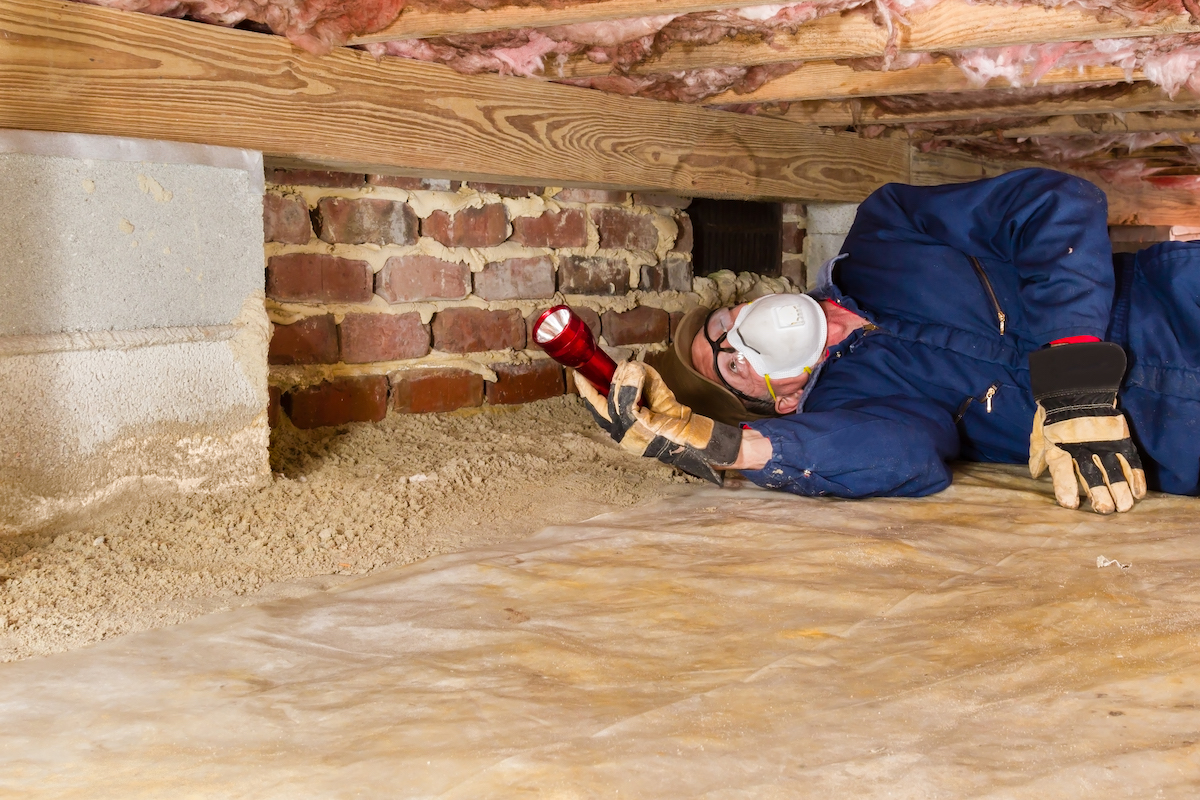
Structure first. Foundations and subfloor - timber piles that may have been in damp soil for a century, floor joists that need checking for borer, the overall condition of the framing. A structural assessment is standard, and it gives you a solid base to plan from.
Then cladding. Original weatherboards are mostly native timber, which is beautiful and worth preserving where possible. We assess what's sound, what needs replacing, and whether recladding is on the cards - because it changes the scope and budget if so.
Services are next: wiring, plumbing, drainage. Homes of this age often have systems that have been partially upgraded over the decades, and we want to know exactly what's there before we start. A full rewire or replumb on a villa is a significant cost, but doing it once, properly, means the home is set up for the next 50 years.
Finally, health and safety. Asbestos was used in a range of building products until the 1980s, and it appears in more homes than people expect - floor tiles, ceiling linings, some roofing materials. Lead paint is also common. Identifying these early means they're managed properly and budgeted for, not discovered partway through the build.
None of this is unusual for a home of this age. It's just what good preparation looks like.
A lot of Auckland's character homes sit in heritage or special character areas. How does that affect a project?
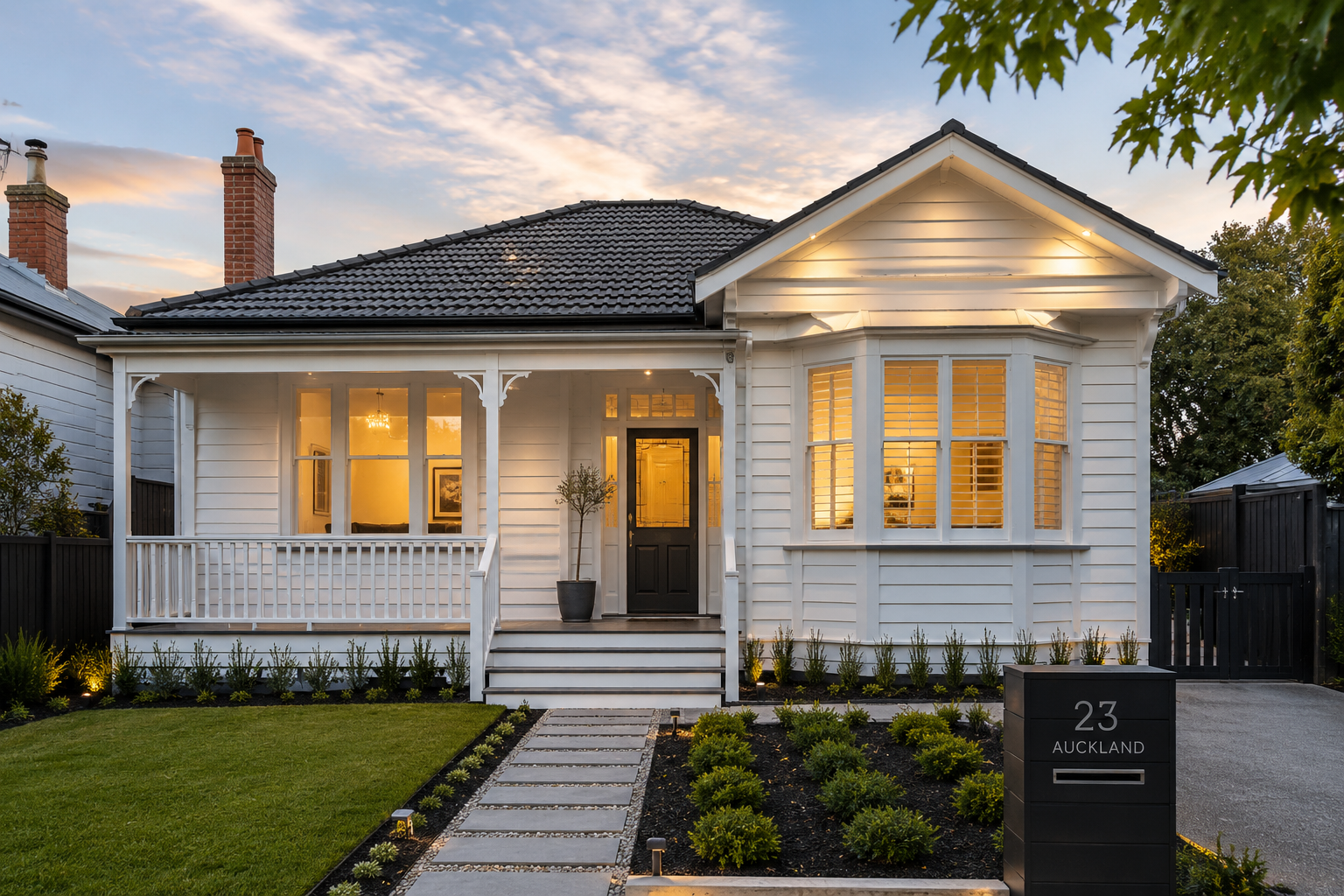
It's actually one of the things that makes these neighbourhoods worth living in. The special character overlays in the Auckland Unitary Plan - covering areas like Ponsonby, Grey Lynn, Mt Eden, Devonport, Onehunga - protect the streetscape that gives those suburbs their identity. As a homeowner, you benefit from that protection too.
In practice, it means the exterior appearance of the home is guided by rules around what changes are appropriate. Joinery is the classic example: replacing timber sash windows with standard aluminium units won't get through a heritage overlay, but heritage-profile double-glazed joinery is available and looks excellent. It costs a bit more, but the result is a home that reads as authentic from the street and performs well on the inside.
The same thinking applies to rooflines, verandas, and the street facade generally. Changes need to be sympathetic to the original character - which is exactly the brief that good designers working in this space love. What it means for your project is that you need an architect or designer who knows these rules from experience, because navigating consent in a special character area isn't something to figure out as you go.
We establish exactly what applies to your specific property at the outset, so it's factored into the design and the timeline from day one.
Walk us through the budget tiers. What can someone expect to spend?
I'll frame it around scope, because that's what really drives the number.
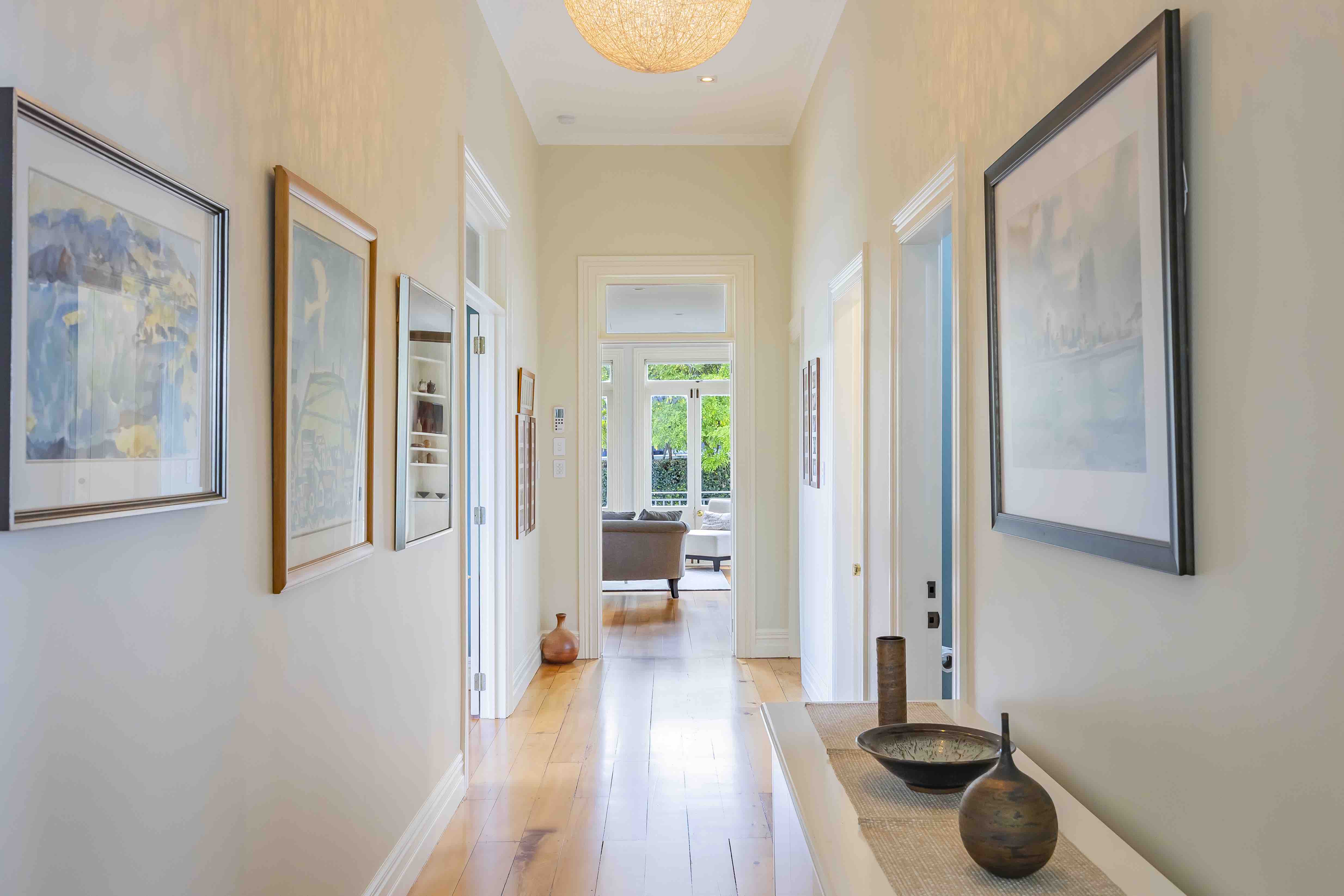
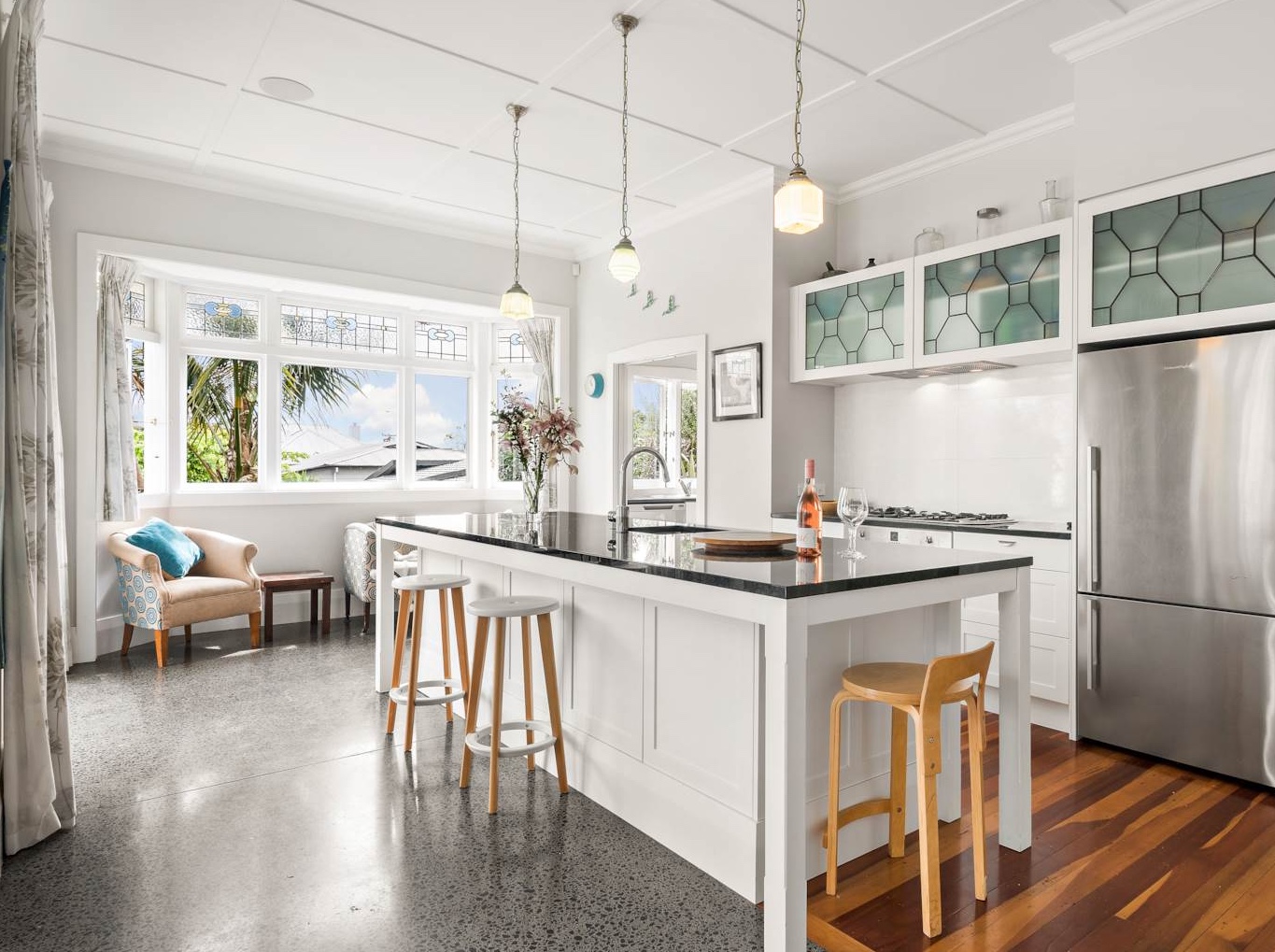
A focused renovation - upgrading the interior, doing the kitchen and bathrooms, improving insulation and glazing, making the home warm and genuinely liveable - starts from around $200,000 for a typical Auckland villa or bungalow. At this level you're working within the existing footprint, but you're doing the work properly: full rewire, replumb where needed, underfloor and ceiling insulation, new kitchen, new bathroom or two, fresh joinery where required, repile if needed, and a full repaint inside and out.
This is where a lot of owners start, and it delivers a transformed home. The layout stays, but the experience of living in it changes completely - warm in winter, quiet, with spaces that actually function.
And for people who want to go further - open it up, extend, really transform the layout?
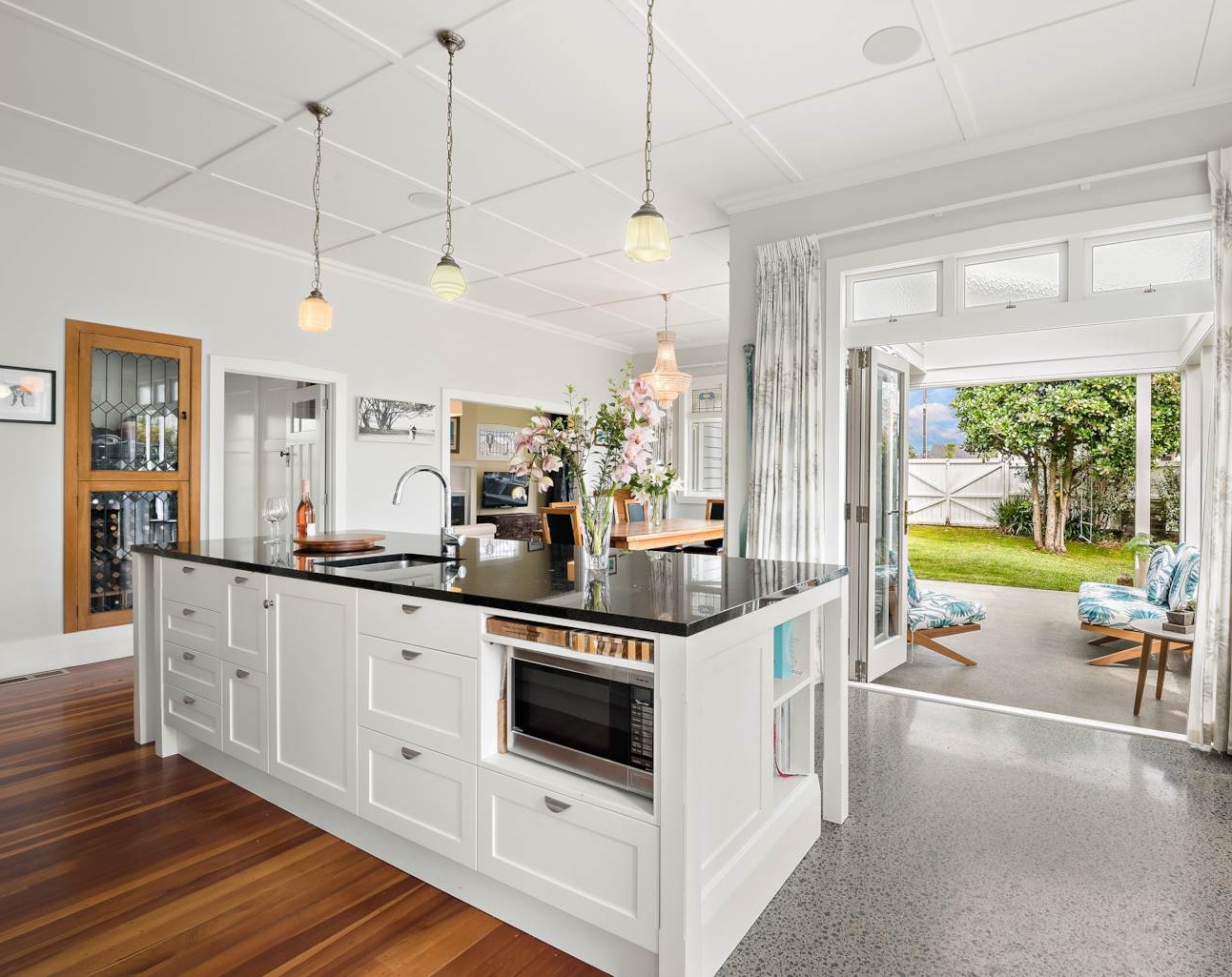
That's where these projects get genuinely exciting. Opening up the rear of the house, reconfiguring the layout for modern living, adding indoor-outdoor flow, new kitchen and bathrooms with real ambition behind them - these mid-scale transformations typically sit in the $300,000 to $500,000 range.
The structural work is more involved at this level. Opening up a wall between rooms in a villa isn't like doing it in a contemporary home - there's more bracing to consider, heritage material to work around carefully, and original framing that hasn't been touched since it was built. Done well, though, it's invisible. The home reads as it always did from the street, and inside it feels completely different: light, open, connected to the garden.
At this scope you're also typically addressing the full envelope - re-roofing, new double-glazed joinery throughout, new decking or outdoor living areas. These are homes that are genuinely built for the next 40 to 50 years.

What does a top-end project look like?
$600,000 to $900,000 and above. These are projects where the owners have a real vision and the budget to execute it without compromise - and the results are extraordinary.
At this level you might be adding a full extension: a new wing at the rear, perhaps a second storey addition designed carefully to sit in harmony with the original house. Premium materials throughout: original timber floors restored or matched with new hardwood, bespoke cabinetry, luxury bathrooms, heated floors, excellent insulation and ventilation, full smart home integration where that's wanted.
The architectural design work is more intensive, the consenting is more complex, and the build itself requires significant coordination. But when it comes together, you have something that's genuinely irreplaceable - a brand-new home inside a building with real history and a level of character and street presence that's difficult to recreate in a new build.
How do you make sure a project like this doesn't blow out?
Planning. It sounds obvious, but the single biggest source of budget overruns in character home renovations is starting the build before the scope is fully understood. If you're making design decisions while the trades are on site, you're paying extra for it.
The Refresh® process runs through five stages for exactly this reason. We start with an initial consultation to understand what you want to achieve, then move into scoping and feasibility - including architectural concept drawings - so you can see whether your ideas work before any money is committed. Then comes detailed planning and costing: working drawings, engineering and structural decisions locked in, and a fixed-price contract.
For a villa or bungalow specifically, I'd always recommend carrying a contingency of 15 to 25 percent. These homes can have surprises - subfloor issues that weren't visible in the assessment, or services that turn out to need more work than anticipated. A proper contingency means you handle those moments without stress, not with a crisis conversation about the budget.
Is the investment worth it in Auckland's market?
Consistently, yes. The combination of land value and the premium that well-renovated character homes command means a properly executed renovation can add significant value to a property. These aren't generic homes. They have a specific appeal - particularly in the suburbs where they're concentrated - that holds its value well through market cycles.
But I'd encourage people not to think about it purely as a financial calculation. The people who get the most out of these projects are the ones who love the home itself - who see what it can be, who appreciate the history and the craftsmanship in the original build, and who want to live in something that has character. The financial return follows from doing it well.
What do people say once a project is done?
That it was worth it, and that they wish they'd done it sooner.
There's something about these homes that surprises people. You expect to end up with a better house. What you don't always expect is how much you end up attached to it. When you've been part of bringing a century-old home back to life, it means something. Clients who came to us with a checklist of things they wanted fixed tend to leave with a home they're genuinely proud of.
That's what makes these projects rewarding to work on. And why so many homeowners wish they'd done it sooner.
To talk through your villa or bungalow project with Saleem, reach him at saleem.bhikoo@refresh.co.nz or on 021 270 4490.
*Budget ranges referenced in this article are indicative as at mid-2026 and will vary based on property condition, specification, and scope of work. All figures exclude GST unless otherwise stated.
Read Next


All Refresh Renovations franchises are independently owned and operated.
Processing...

Talk to a renovation consultant today
If you would like to find out how Refresh Renovations can support you with a high quality, efficient home renovation, get in touch today. Your local Refresh consultant will be happy to meet with you for a free, no obligations consultation.